

Kikuubo, the beating heart of Uganda’s wholesale trade, has long been the primary destination for retailers seeking bulk goods. From fast-moving consumer goods (FMCG) to construction materials, this bustling hub in Kampala dictates the flow of commerce across the country. However, the traditional model of physical procurement is facing significant logistical and economic challenges. For upcountry retailers in districts like Gulu, Mbarara, and Arua, the journey to Kampala is fraught with high transport costs, security risks, and significant time away from their businesses.
As Uganda’s digital economy matures, the opportunity for Kikuubo wholesalers to transition into a Digital Kikuubo is unprecedented. By investing in professional website design and robust e-commerce platforms, wholesalers can eliminate geographical barriers. An e-commerce site allows an upcountry shopkeeper to browse inventory, compare prices, and place orders from their smartphone while sitting in their shop hundreds of kilometers away. This digital shift is not just about convenience, it is a strategic move to capture a larger share of the national market.
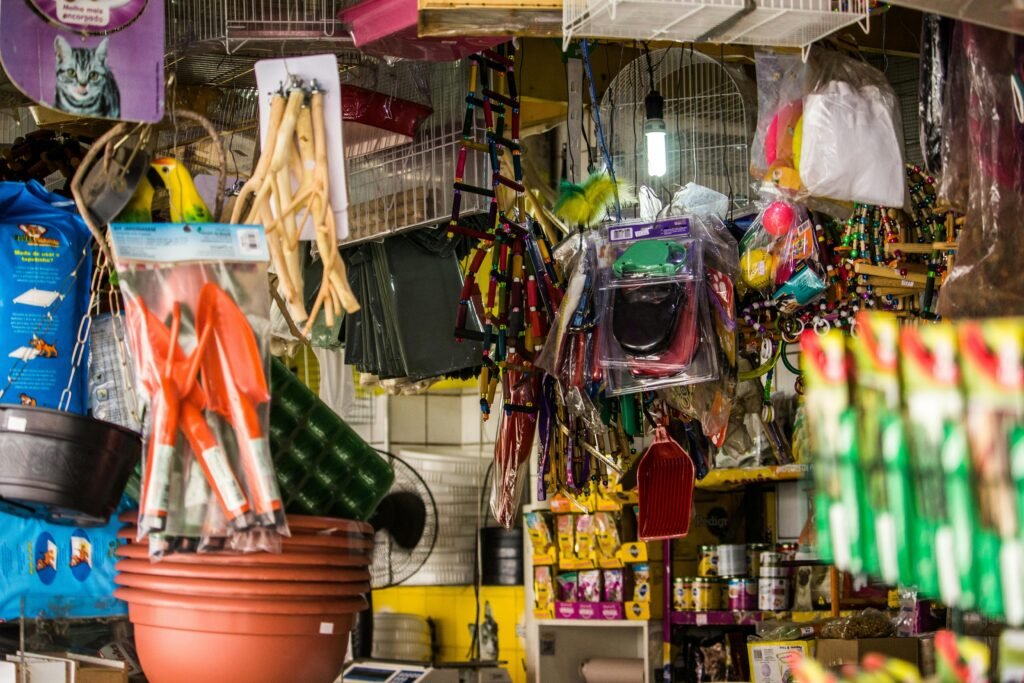
For a wholesale business, a website serves as a 24/7 digital warehouse. It provides a structured, professional environment where bulk buyers can access real-time stock levels and wholesale pricing without the need for endless phone calls or physical visits. In the competitive Ugandan market, the wholesalers who embrace e-commerce today are the ones who will define the supply chains of tomorrow.
Bridging the Logistical Gap with E-commerce
The traditional wholesale model in Uganda relies heavily on physical presence, but this comes with a proximity tax for upcountry retailers. The cost of travel and the risk of carrying large sums of cash often deter smaller retailers from stocking diverse inventories. According to the Uganda National Chamber of Commerce and Industry (UNCCI), improving trade facilitation and reducing the cost of doing business are essential for national economic growth. E-commerce directly addresses these issues by digitizing the procurement process.
A well-designed e-commerce website allows wholesalers to integrate logistics and delivery tracking into the buying experience. By partnering with regional courier services, a wholesaler can offer Last-Mile Delivery to retailers in remote areas. This integration turns a simple website into a comprehensive supply chain solution. When a retailer knows they can receive their stock within 48 hours of an online order, their loyalty to the wholesaler increases significantly.
Furthermore, a digital platform allows wholesalers to manage regional demand more effectively. By analyzing the data from online orders, businesses can identify which products are trending in specific regions, such as the North or the West. This data-driven approach to inventory management reduces waste and ensures that the right products are always available for the retailers who need them most.
Building Trust with Secure B2B Portals
In the wholesale trade, trust is built on consistency and transparency. One of the biggest fears for an upcountry retailer is paying for goods and receiving substandard products or facing delays. A professional website design for wholesalers includes secure B2B (Business-to-Business) portals where retailers can track their order history, download tax invoices, and manage credit facilities. This level of transparency is what separates a modern wholesaler from a traditional trader.
Security is a non-negotiable pillar of any e-commerce platform. As noted by the National Information Technology Authority – Uganda (NITA-U), the protection of digital transactions is vital for the growth of the digital economy. Wholesalers must ensure their websites use SSL encryption and secure payment gateways that support mobile money and bank transfers. When a retailer sees a secure, professional interface, their confidence in making large bulk payments online grows.
By providing a secure digital environment, wholesalers can also offer personalized pricing tiers for their most loyal upcountry clients. A B2B portal can be configured to show different prices based on the volume of the order or the length of the partnership. This personalized approach fosters long-term business relationships and encourages retailers to consolidate their spending with a single, reliable digital wholesaler.
SEO Strategy: Becoming the Top Choice for Upcountry Retailers
Visibility is the key to expanding beyond the physical confines of Kampala. When a retailer in Mbale searches for bulk cooking oil suppliers in Uganda or wholesale cement prices in Kampala, your business needs to appear at the top of the results. Search Engine Optimization (SEO) is the process of ensuring your website is optimized for these specific, high-intent queries. A website without SEO is like a shop in a back alley, no one will find it unless they already know it’s there.
An effective SEO strategy for wholesalers involves creating content that addresses the pain points of retailers. Blogs about “How to Optimize Your Retail Inventory” or “The Benefits of Sourcing Directly from Kampala Wholesalers” help establish your brand as a thought leader. This content marketing approach builds authority and keeps your business top-of-mind for retailers throughout their buying journey.
The Ministry of Trade, Industry and Cooperatives (MTIC) emphasizes the importance of digital tools in enhancing market access for Ugandan businesses. By aligning your website with local search trends and mobile-first design, you are following national best practices for trade. High-performance SEO ensures that your digital Kikuubo shop is the most visible and accessible destination for every retailer in the country.
Mobile-First Design: The Key to Rural Connectivity
In Uganda, the smartphone is the primary tool for business communication and trade. Upcountry retailers often operate in areas where desktop computers are rare, but mobile connectivity is widespread. Therefore, a mobile-responsive website design is not just a feature, it is a fundamental requirement. Your e-commerce site must be fast, easy to navigate on a small screen, and optimized for low-bandwidth environments.
A mobile-friendly site allows a wholesaler to send push notifications or WhatsApp alerts to retailers regarding new stock arrivals or limited-time discounts. This instant communication keeps the supply chain active and ensures that retailers are always aware of the best deals. If your website is too heavy or difficult to use on a phone, you are effectively locking out the vast majority of the upcountry market.
The World Bank’s reports on Digital Development in Africa highlight that mobile-led digital transformation is the fastest way to bridge the economic gap in developing nations. By prioritizing mobile-first e-commerce, Ugandan wholesalers are positioning themselves at the forefront of this transformation. They are making it possible for a small-town shopkeeper to compete with urban retailers by giving them equal access to the wholesale market.
Analyzing Data to Drive Regional Growth
One of the greatest advantages of taking your wholesale business online is the wealth of data you collect. In a physical shop in Kikuubo, it is difficult to track exactly which customers looked at which products but didn’t buy. On an e-commerce website, you can see exactly which items are being added to wishlists or carts. This business intelligence allows you to adjust your pricing and marketing strategies in real-time.
For example, if the data shows a surge in demand for solar products in the West Nile region, you can launch a targeted digital ad campaign for retailers in that area. You can also optimize your logistics by pre-stocking regional hubs based on predicted demand. This level of precision is impossible with a traditional manual system. A professional website design integrates these analytics directly into your management dashboard.
Data-driven decision-making leads to a more efficient and profitable business. It allows you to identify your most profitable routes, your most loyal retailers, and your slowest-moving stock. By turning information into action, you can outmaneuver competitors who are still relying on guesswork and traditional methods. Your website becomes the brain of your entire wholesale operation.
Conclusion: Defining the Next Era of Ugandan Trade
The transition of Kikuubo from a physical location to a digital powerhouse is inevitable. The wholesalers who recognize this early and invest in professional, SEO-optimized e-commerce platforms will be the ones who dominate the national market. By bringing transparency, accessibility, and security to the wholesale trade, you are not just growing your business, you are strengthening the entire Ugandan economy.
Taking Kikuubo online is about more than just selling goods, it is about building a modern, efficient, and inclusive trade network that reaches every corner of the country. From the busiest streets of Kampala to the furthest shops in Karamoja, the web is the bridge that connects us all. The future-ready wholesaler is one who builds that bridge today.
Take Your Wholesale Business Online with WebKep
Moving your wholesale operation from the streets of Kikuubo to the digital world requires a partner who understands both the local trade culture and global technical standards. WebKep specializes in building high-performance, mobile-friendly responsive websites and e-commerce platforms designed for the unique challenges of the Ugandan market. Our team combines expert website design with secure B2B portals, mobile money integrations, and aggressive SEO strategies to ensure your business reaches upcountry retailers and scales rapidly. Whether you are looking to launch a bulk-buying platform or want to optimize your current digital presence into a growth engine, we provide the technical expertise and local insight to build your next competitive advantage. Visit the WebKep website today to schedule a consultation and learn how we can help you take your wholesale business to the next level.