

In the heart of Kampala, commerce never stops. From the early morning rush of taxis at the Old Taxi Park to the evening crawl along Jinja Road, thousands of potential customers are navigating more than just the city’s streets, they are navigating the digital marketplace. For the modern Ugandan business owner, the commuter window is a golden opportunity. During these moments of transit, people are researching property, booking safari tours, and checking clinic hours, all from the palm of their hand.
If your website was designed primarily for a desktop computer and shrunk down for mobile as an afterthought, you are practicing Mobile-Last design. In a country where smartphone penetration is the primary driver of internet growth, this approach is a significant business risk. A site that is not thumb-friendly is not just a technical annoyance, it is a barrier to entry that drives your customers straight into the arms of a more accessible competitor.
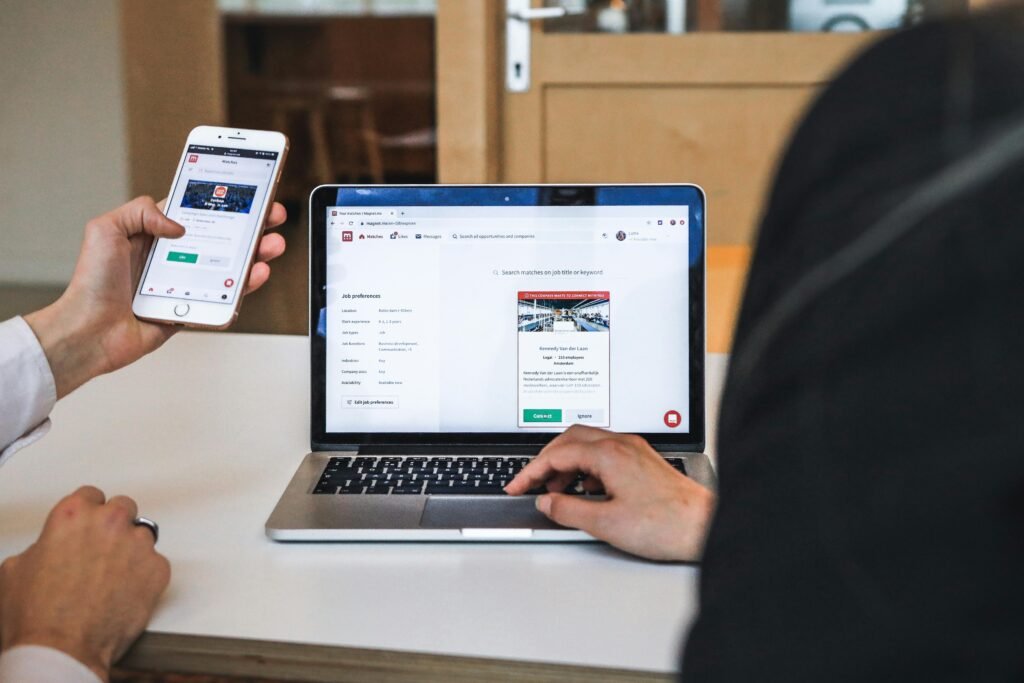
The shift toward mobile-first website design is not a trend, it is a reflection of how Ugandans live and work. To capture the attention of a busy commuter, your website must be fast, intuitive, and easy to navigate with one hand. In the digital economy of 2026, accessibility is the foundation of authority.
The Reality of the Mobile-First Ugandan Market
Uganda has one of the youngest and most mobile-connected populations in Africa. According to the Uganda Communications Commission (UCC), mobile internet subscriptions continue to outpace fixed-line connections by a massive margin. For the vast majority of your clients, their first (and often only) interaction with your brand will happen on a mobile device.
When a user is stuck in traffic or waiting for a meeting, their patience is thin. They are looking for specific information: a price, a location, or a contact button. If your website requires them to pinch and zoom to read text or struggle to click a tiny link, they will abandon the site within seconds. This bounce rate tells search engines that your site is not useful, which eventually tanks your SEO rankings.
Mobile-first design flips the traditional development process. We start by designing for the smallest screen and the most constrained environment. This forces a focus on what is truly important, stripping away the digital clutter that slows down load times and distracts the user. The result is a lean, high-performance site that works perfectly for the Kampala commuter.
Understanding the Thumb Zone in UX Design
Human-centered design is at the core of successful mobile websites. One of the most critical concepts in mobile UX is the Thumb Zone. This refers to the areas of a smartphone screen that are easiest to reach when a person is holding their phone with one hand. For someone standing on a bus or sitting in a taxi, the ability to navigate your site using only their thumb is a major convenience.
A thumb-friendly website places the most important interactive elements, such as the menu, call-to-action buttons, and search bars, within the natural reach of the thumb. Elements placed at the very top or extreme corners of the screen are considered hard to reach and can lead to user frustration. By optimizing for the thumb zone, you are making it physically easier for your customers to do business with you.
According to research published by Nielsen Norman Group, a leader in user experience research, mobile users are highly task-oriented. They want to accomplish a goal quickly. If your Book Now button is tucked away in a tiny corner, you are creating friction in the customer journey. A professional website design eliminates this friction, guiding the user toward a conversion with minimal effort.
Speed: The Silent Killer of Mobile Conversions
In Kampala, internet speeds can be variable. While 4G and 5G are expanding, a commuter might frequently move through areas with spotty coverage. A heavy, unoptimized website that takes ten seconds to load will be discarded long before the first image appears. Speed is not just a technical metric, it is a critical component of customer service.
Mobile-first design prioritizes performance optimization. This includes using lazy loading for images, minifying code, and leveraging browser caching. Every kilobyte saved is a second gained for your user. For a business owner, a fast site means higher engagement and more leads. Google also uses PageSpeed as a primary ranking factor, meaning a slow site will never reach the top of the search results.
High-authority sources like Think with Google have demonstrated that as page load time goes from one second to three seconds, the probability of a mobile site visitor bouncing increases by 32%. In the competitive Ugandan landscape, you cannot afford to lose a third of your potential customers before they even see your logo. Investing in a fast, mobile-optimized site is an investment in your bottom line.
SEO Benefits of Responsive Website Design
Google has moved almost entirely to Mobile-First Indexing. This means the search engine primarily uses the mobile version of your content for indexing and ranking. If your mobile site is missing content that is present on your desktop site, or if it has technical errors, your overall visibility across all devices will suffer.
A responsive website design is the most effective way to satisfy Google’s requirements. Unlike having a separate mobile site (which can lead to duplicate content issues), a responsive site uses a single URL and the same code, but it responds and adapts its layout based on the screen size of the device. This ensures a consistent brand experience and makes it easier for search engines to crawl and index your pages.
By focusing on mobile-first SEO, you are targeting the local search market. Many commuters are searching for immediate solutions, a hardware store near me or the best lawyer in Kampala. If your site is optimized for mobile and local SEO, you are much more likely to appear in the Map Pack and capture these high-intent leads. Mobile-first is not just about design, it is about being found.
Designing for Clarity and Action
Screen real estate is limited on a smartphone. A professional content writer knows that every word must earn its place. Mobile-first design requires scannable content, short paragraphs, clear headings, and bullet points. The goal is to allow the user to find the information they need at a glance, without having to read through dense walls of text.
Your Call to Action (CTA) buttons must be prominent and tappable. In the mobile world, we don’t click, we tap. This means buttons should have enough padding around them to prevent accidental taps on the wrong link. This tap target size is a critical accessibility standard that search engines look for when evaluating the mobile-friendliness of your site.
The World Wide Web Consortium (W3C) provides extensive guidelines on mobile accessibility. Following these standards ensures that your website is usable by everyone, including those with visual or motor impairments. In a diverse market like Uganda, being inclusive is not just the right thing to do, it is smart business. An accessible site is a professional site.
Conclusion: Don’t Leave Your Customers Behind
The Kampala commuter is a focused, mobile-dependent consumer. To reach them, your business must meet them where they are, on their smartphones. A Mobile-Last approach is a relic of the past that will only lead to missed opportunities and declining revenue. By embracing mobile-first, thumb-friendly design, you are signaling to your customers that you value their time and their convenience.
Your website is your most powerful salesperson, but only if it is accessible. A fast, responsive, and easy-to-use mobile site builds the trust and authority necessary to close deals in a crowded market. Whether you are selling real estate, medical services, or wholesale goods, the thumb-friendly experience is what will set you apart from the competition. The digital future of Uganda is mobile, make sure your business is ready to lead the way.
Build a Thumb-Friendly Future with WebKep
Is your website frustrating your mobile users or welcoming them? At WebKep, we specialize in creating high-performance, mobile-first responsive websites that are specifically optimized for the unique challenges of the Ugandan market. Our expert team combines seasoned design intuition with advanced technical SEO to ensure your site is fast, secure, and perfectly thumb-friendly for the Kampala commuter. Don’t let a Mobile-Last strategy hold your business back from its true potential. Visit the WebKep website today to schedule a consultation and learn how we can help you build your next competitive advantage in the mobile-first era.