

The real estate sector in Uganda is witnessing an unprecedented surge, driven by rapid urbanization and a growing middle class. From the high-end apartments of Kololo to the burgeoning residential estates in Wakiso and Mukono, the skyline is changing. However, as the number of developers increases, so does the competition for credible investment. In this high-stakes industry, the trust gap is the single biggest obstacle to closing a deal.
For a potential buyer (whether a local professional or a member of the Ugandan diaspora) purchasing property is likely the most significant financial decision of their life. They are not just buying bricks and mortar, they are buying a promise of future security. A professional website design is the most powerful tool a developer has to validate that promise and convert a skeptical lead into a confident homeowner.
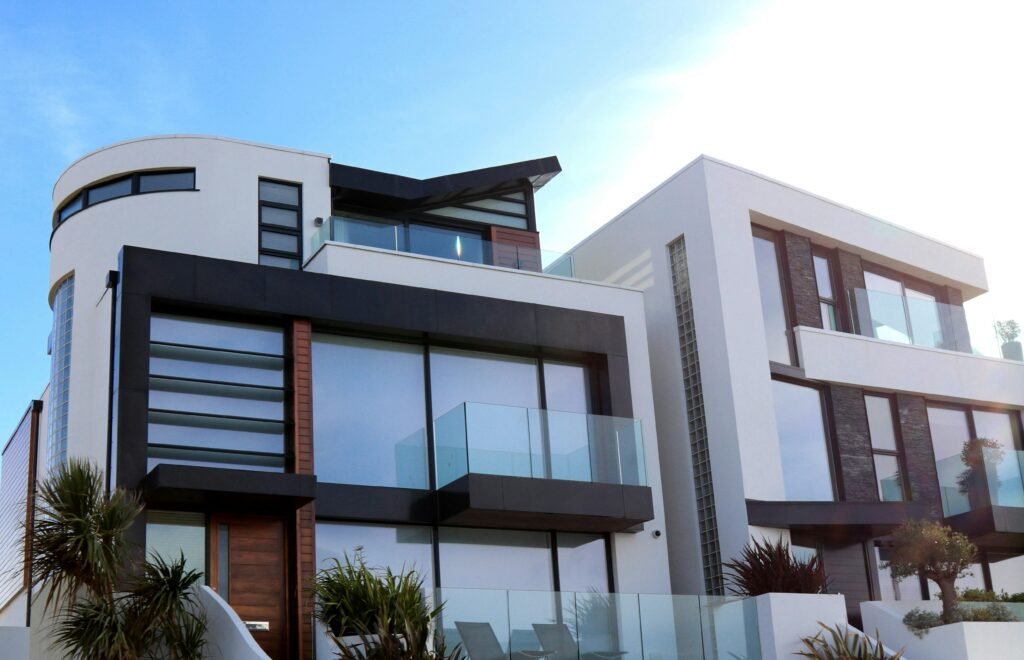
In the digital-first era, your website is your most important show house. It is the first place a prospect visits to verify your legitimacy before they ever step foot on a construction site. If your digital presence is lacking, you are essentially telling your clients that you lack the attention to detail required to build their future home.
The Digital Portfolio: Beyond the Physical Site Visit
In traditional Ugandan real estate, a site visit was the primary way to close a deal. Today, the journey begins months before a client visits the property. Prospective buyers use the internet to research developer track records, project timelines, and architectural quality. A comprehensive website serves as a permanent, high-definition portfolio that showcases your completed projects and ongoing developments.
High-quality 3D renderings, drone footage, and interactive floor plans allow buyers to visualize their investment before the foundation is even poured. This level of transparency is essential for selling off-plan properties. When a developer provides detailed digital assets, it reduces the perceived risk for the buyer, making them more likely to commit to an early-stage purchase.
According to the Uganda Bureau of Statistics (UBOS), the construction and real estate sectors are pivotal to the national economy, but they rely heavily on investor confidence. A professional website acts as a repository of this confidence, hosting testimonials, land title verification details, and structural engineering certifications that prove your business operates with integrity and according to national standards.
Establishing Credibility for the Ugandan Diaspora
One of the most lucrative markets for Ugandan real estate developers is the diaspora. Ugandans living in North America, Europe, and the Middle East are eager to invest back home, but they are often deterred by stories of land fraud and substandard construction. For these buyers, a website is not just a marketing tool, it is their primary window into the project.
A professional website design tailored for the diaspora includes secure client portals where buyers can track construction progress through regular photo and video updates. This virtual transparency bridges the geographical gap and builds a level of trust that a simple WhatsApp message cannot achieve. When a buyer in London can see their apartment floor being tiled in real-time via your website, their anxiety is replaced by excitement.
The Bank of Uganda’s reports on personal remittances highlight the massive influx of capital from Ugandans abroad, much of which is destined for real estate. To capture this capital, developers must present themselves with international-level professionalism. A website that features clear contact information, legal documentation, and transparent pricing tells the diaspora that your company is a safe harbor for their hard-earned money.
SEO Strategy: Dominating the Property for Sale Search Results
Visibility is the cornerstone of lead generation. Most property searches begin on Google with phrases like apartments for sale in Kampala or land for sale with land titles in Uganda. If your website is not optimized for these search terms, you are losing thousands of potential leads to your competitors. Search Engine Optimization (SEO) ensures that your developments are the first ones a buyer sees.
Effective SEO for real estate involves creating content around local neighborhoods, investment tips, and legal guides for property buyers. By providing this value, you position your brand as an authority in the industry. This authority-led marketing means that when a buyer is finally ready to purchase, yours is the first name that comes to mind.
Furthermore, a well-structured site allows you to categorize properties by price, location, and type. This user-friendly navigation keeps visitors on your site longer, which signals to search engines that your content is valuable. This organic visibility is far more sustainable and credible than relying solely on expensive social media ads that disappear as soon as the budget runs out.
Integration of Lead Management and Virtual Tours
A professional website should be a functional part of your sales team. By integrating Customer Relationship Management (CRM) tools directly into your site, you can capture lead information the moment a visitor expresses interest. Automated follow-ups, brochure downloads, and appointment scheduling ensure that no lead falls through the cracks in the busy real estate environment.
Virtual tours are another revolutionary feature for modern developers. Using 360-degree photography, you can allow a prospect to walk through a virtual show house from their smartphone. This technology is particularly effective for high-end developments where the lifestyle of the property is a major selling point. It creates an emotional connection with the space before the physical building is even finished.
Research from the International Finance Corporation (IFC) on green buildings suggests that transparency in building specifications and resource efficiency is becoming a major selling point for modern investors. Highlighting your Green certifications or sustainable building practices on a dedicated page of your website can attract a niche but high-value segment of the market that prioritizes eco-friendly living.
Ensuring Security and Legal Transparency
In the Ugandan real estate market, the fear of fake titles and double-sold land is real. A professional developer uses their website to combat these fears head-on. By including a Legal & Compliance section that explains the verification process, shows sample mother titles, and lists approved government permits, you demonstrate that you have nothing to hide.
Security also extends to the technical side of your website. Since real estate websites often handle sensitive client information and sometimes even reservation payments, they must be protected by high-level encryption (SSL certificates). A Not Secure warning in a browser is the fastest way to kill a multi-million shilling deal.
Responsive website design is equally critical. In Uganda, the majority of property searches happen on mobile phones during lunch breaks or commutes. If your property images don’t load quickly or your contact forms are hard to use on a small screen, you are effectively turning away half of your potential market. A fast, mobile-optimized site reflects the efficiency of your construction projects.
Conclusion: The Foundation of Your Digital Identity
In real estate, your reputation is your most valuable asset. While your physical buildings are the proof of your skill, your website is the proof of your professionalism. It is the platform where your brand story, your technical expertise, and your commitment to the buyer intersect. For the Ugandan developer looking to scale and attract larger investors, a professional digital presence is the foundation upon which all future deals are built.
A website does not just display properties, it builds the trust necessary to close them. It turns a local developer into a regional leader and a regional leader into a global brand. By investing in a high-quality, SEO-optimized, and mobile-responsive website, you are ensuring that your business is ready for the future of the Ugandan property market.
Partner with WebKep to Build Your Digital Showroom
Closing a real estate deal requires more than just a great location, it requires a digital presence that commands respect. WebKep specializes in designing high-performance, mobile-friendly responsive websites specifically for the Ugandan real estate and construction sectors. Our team understands how to blend stunning architectural visuals with robust SEO and lead-generation tools to help you stand out in a crowded market. Whether you are launching a new estate or looking to attract diaspora investors, we provide the technical expertise and local market insight needed to turn your digital vision into reality. Visit the WebKep website today to schedule a consultation and learn how we can help you build your next competitive advantage.